Did you catch the news from Savers Value Village recently?
The multi-billion-dollar corporate giant just rolled out “ThriftIQ”, a massive, proprietary AI tool designed to completely automate their apparel pricing. They fed two years of historical data into an algorithm for one specific reason: to eliminate human guesswork and maximize their profit margins.
For a publicly traded corporation, dropping millions on custom tech is just business as usual. But if you’re running an independent, mission-driven thrift store, headlines like this can induce a mild panic. How can a community store — relying on tight budgets, volunteer hours, and entry-level staff possibly compete against Big Thrift and their algorithms? With thrift store software built exclusively for the realities of secondhand retail.
Thrift Store Inventory Management Doesn't Need to be a Guessing Game
It’s a valid fear. Think about your own backroom. When your intake team has to guess the value of every single donation, costly mistakes happen. A well-meaning volunteer might tag a vintage designer purse for $3 simply because that’s your typical base price for a purse and they don’t recognize the label. An hour later, a reseller scoops it up and flips it online for $250.
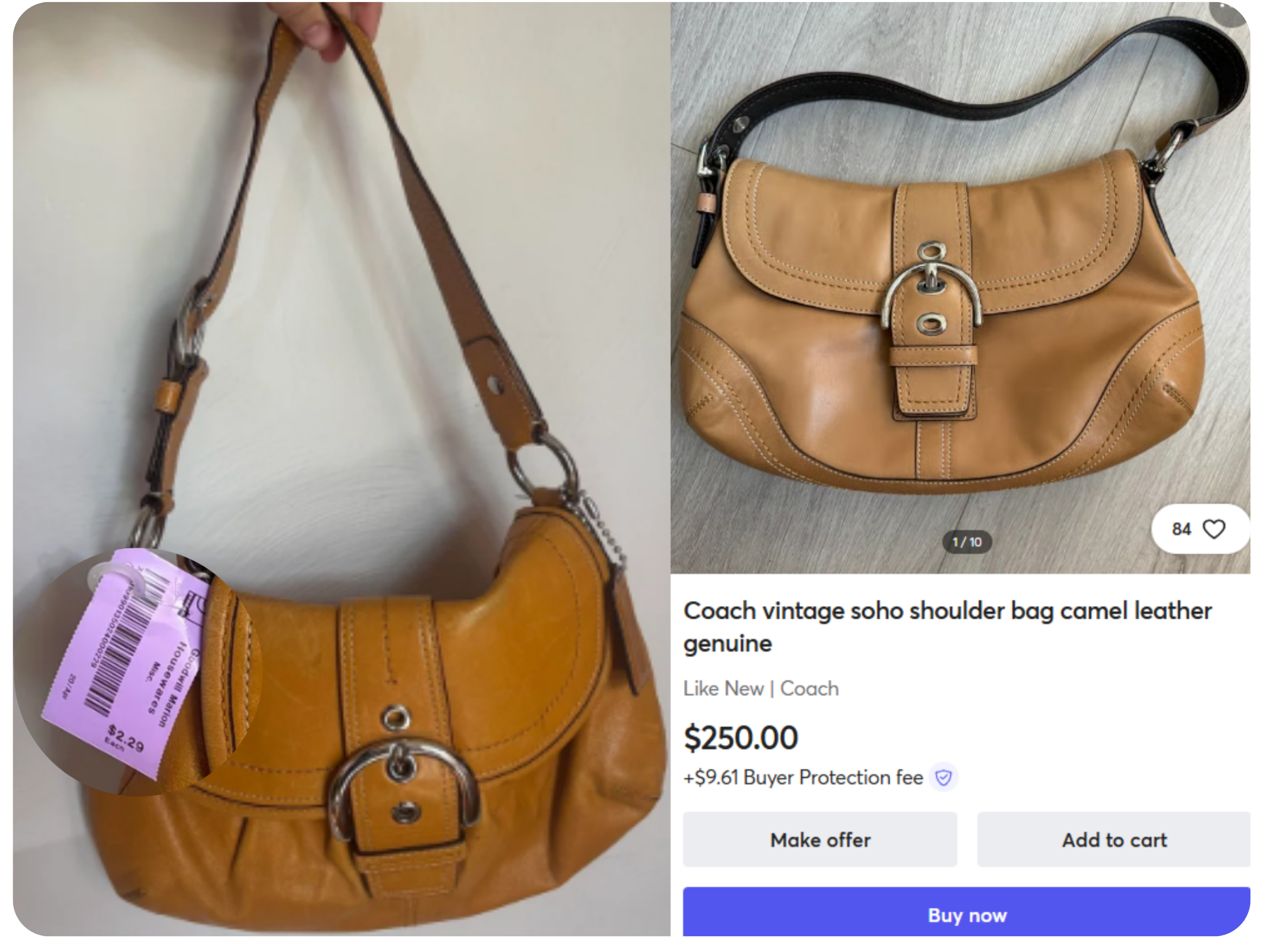
That isn’t just a missed sale. That’s $247 that should’ve gone toward funding your animal rescue, job training program, or community shelter. Corporate chains are investing heavily in AI to stop that margin from walking out the front door.
But the truth is, you don’t need to invest millions or build your own AI from scratch. You just need the right thrift store management software built specifically for the unpredictable world of secondhand retail.
Better Thrift Store Software, Without the Big Thrift Budget
So, what does that look like for a nonprofit thrift store?
You don’t need to recreate the technology that a multi-billion-dollar retailer has built. You need tools that help your team make the most of the donations already coming through your doors.
That might mean giving your production team a more consistent way to price and tag items. It might mean getting a high-value donation in front of online shoppers instead of leaving it on the sales floor. Or it might simply mean having better visibility into what’s happening from donation intake all the way through the sale.
That’s where purpose-built thrift store software can make a difference.
Brijjworks connects the different parts of your thrift workflow in one platform, so you can build on the processes that already work for your team while making it easier to find opportunities to improve.
Standardize Your Backroom with Thrift Production Manager
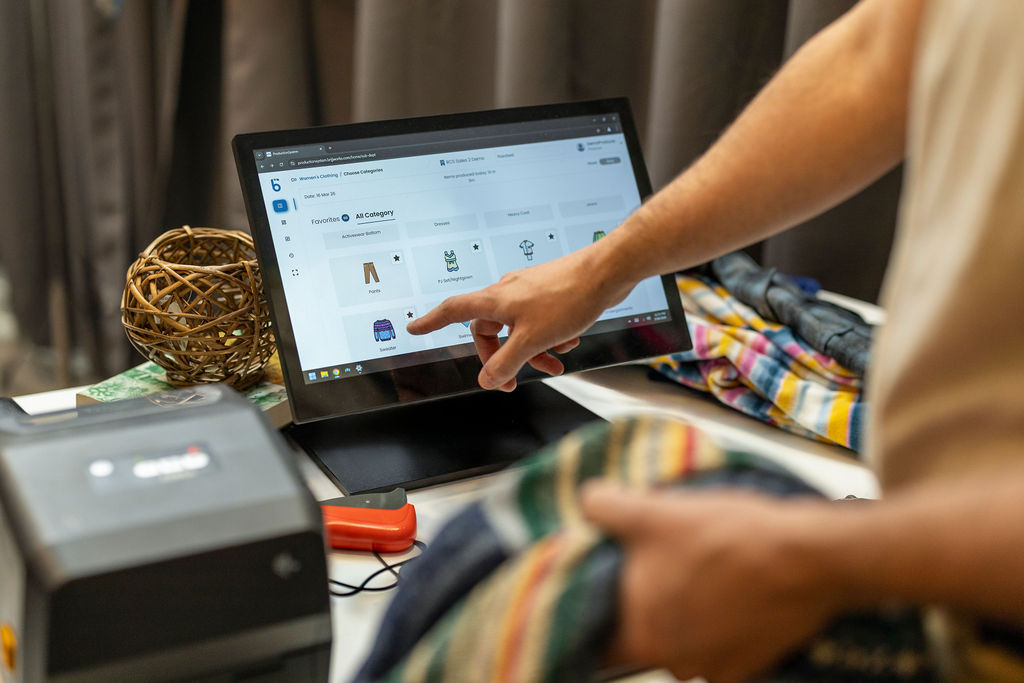
Every thrift store has its own approach to pricing. With Brijjworks Thrift Production Manager, you can build those pricing rules into guided, touchscreen workflows for your production team.
Set pricing based on the categories, quality levels, and brands that make sense for your store, then give your team a consistent framework to work from.
It doesn’t replace your team’s judgment. It gives them better tools to put that judgment to work.
Give High-Value Donations a Bigger Audience with Brijjworks Lister
Not every donation belongs on the sales floor.
When your team comes across an item with strong resale potential, Brijjworks Lister makes it easier to get that item in front of online shoppers. AI-enriched listing tools help reduce the manual work involved in creating and managing ecommerce listings, while built-in multi-channel capabilities make it easier to reach buyers beyond your local community.
Because sometimes the best way to increase the value of a donation is simply to put it in front of the right buyer.
Connect the Dots from Donation to Sale with Brijjworks Reporting
And then there’s the bigger picture. What are you receiving? What’s making it to the sales floor? What’s selling? Where are your best opportunities?
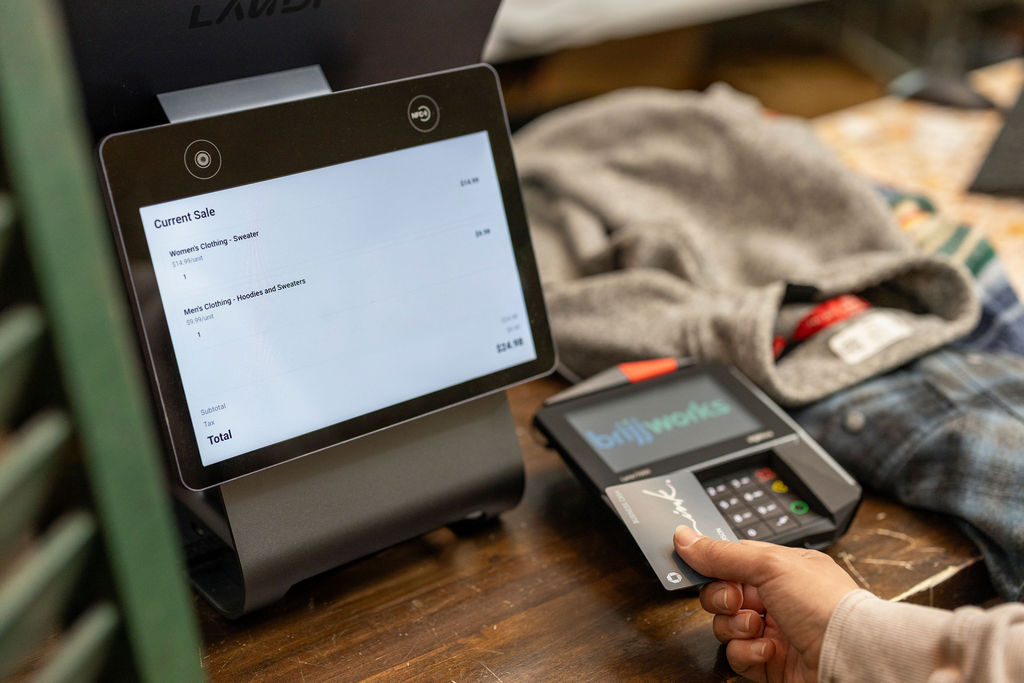
Brijjworks connects donation tracking, inventory production, ecommerce, and point-of-sale so your team can see more of the journey in one place. That visibility can help you spot trends, make more informed decisions, and understand how donated goods are contributing to revenue and, ultimately, your mission.
You don’t need to change everything about the way you work. You just need software that understands why you work that way in the first place.
Technology Should Support Your Mission
Big Thrift can spend millions building proprietary technology. Your thrift store doesn’t need to do the same thing.
The thrift industry is changing, and better technology can help organizations of all sizes make the most of every donation. But that doesn’t mean you need to completely rethink the way your team works.
The right thrift store software should support the workflows you already have, give your team better visibility, and make it easier to find opportunities to increase revenue.
Because at the end of the day, the goal isn’t to become Big Thrift. It’s to make the most of what comes through your doors and put more of it back into your mission.
Discover more ways the Brijjworks thrift platform allows you to optimize your workflows and drive mission impact:

Breaking the Backroom Bottleneck: Getting Inventory to the Sales Floor Faster with Brijjworks Thrift Production Manager
[...]


The Thrift Operations Playbook: How High-Performing Stores Turn Donations Into Sell-Through Faster
[…]