Walk into the backroom of any thrift operation, and you know the drill: the never-ending goal of getting unique items priced, tagged, and onto the sales floor.
Production is the absolute heartbeat of thrift. But how you handle that production, especially the tagging process itself, looks completely different depending on the size of your operation, your staff, and your daily volume. At Brijjworks, we spend a lot of time in thrift backrooms, and we’ve learned a fundamental truth: there is no single “right” way to run production.
Choosing between traditional hand tagging and a digital system like Thrift Production Manager (TPM) comes down to understanding your specific operational hurdles. Both approaches have distinct advantages in the right environment.
The Tried-and-True: Hand Tagging
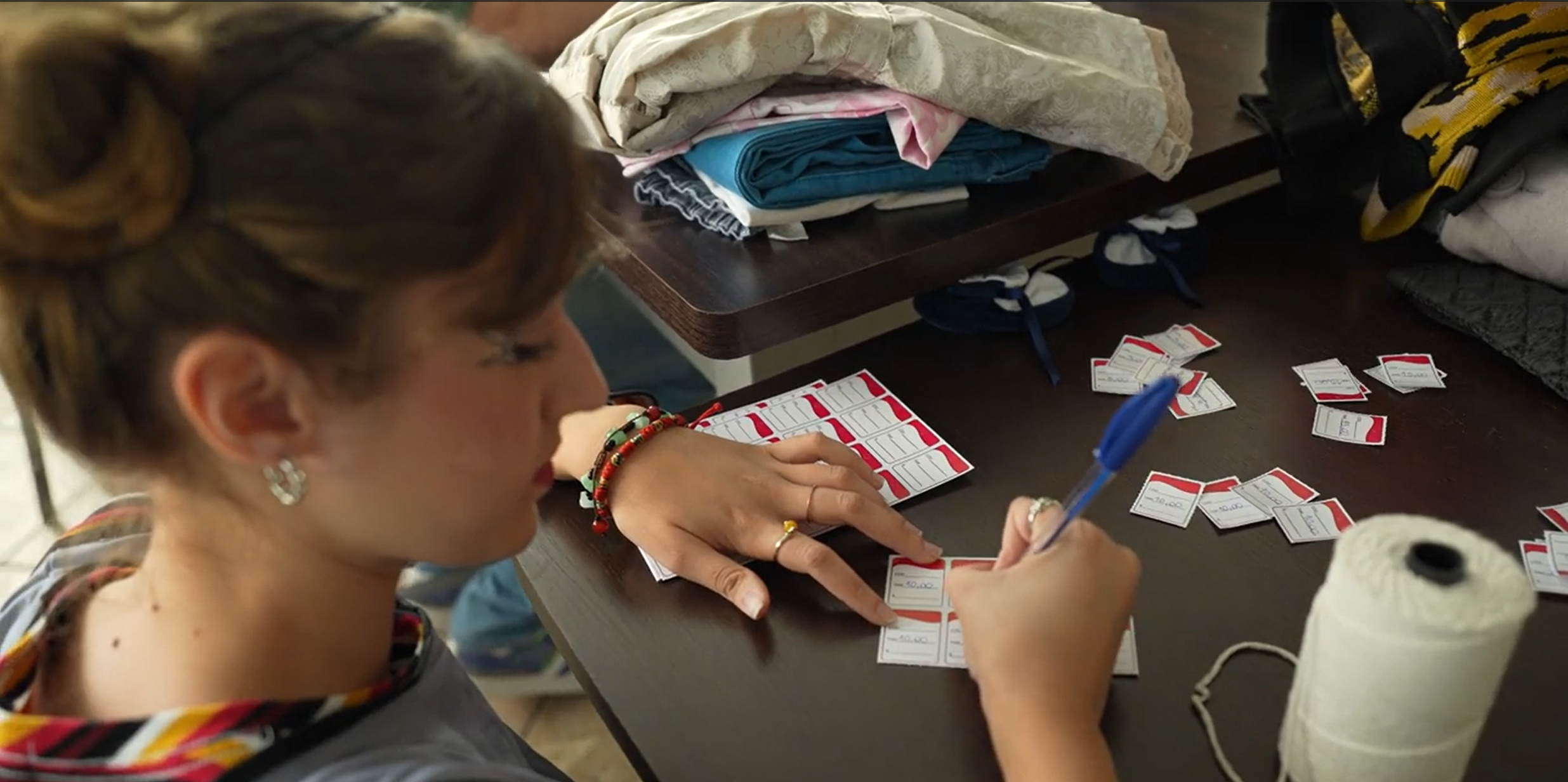
Hand tagging is the classic method of thrift pricing. Your pricing staff manually write out tags or use a standard pricing gun to mark items based on category, quality, and/or brand. It is a deeply human process that relies entirely on the experience and gut instinct of your team to recognize value and price it right.
There is a reason hand tagging has been the industry standard for so long: it works. It is often the smartest choice if your operation fits this profile:
- You run a single-store operation: When you only have one retail location, the journey from the donation door to the sales floor is short and sweet. You don’t necessarily need a digital system to track where a rolling rack of shirts is headed.
- You have a reliable, dedicated team: Hand tagging takes hands. If you have a solid roster of staff or volunteers and a high ratio of people to donations, manual tagging can comfortably keep the racks full.
- Your team has deep institutional knowledge: If your pricers have been with you for years and intuitively know the difference between a high-value vintage jacket and a fast-fashion sweater, hand tagging gives them the flexibility to make fast, localized calls.
- You want to keep things analog: Hand tagging requires zero tech training, no Wi-Fi, and no hardware. You just need tags, pens, a pricing gun, and a good eye.
The Digital Shift: Thrift Production Manager
Thrift Production Manager introduces software and automation to the pricing table. Instead of handwriting or manually punching every tag, your staff uses a touchscreen interface to categorize items, print standardized, unique barcode tags, and track inventory as it moves from the backroom to the register.
While hand tagging is great for smaller, tight-knit environments, TPM is built to solve the challenges that pop up as a thrift operation grows. TPM usually steps in when operations are dealing with the following:
- You are managing multiple locations: When you are sorting donations at a central warehouse and sending them out to several stores, tracking is everything. TPM lets you see exactly what is being produced, what store it is going to, and how fast it is moving across your entire footprint.
- Your donation volume is growing: If the sheer volume of donations is outpacing how fast your team can physically write tags, TPM speeds up the line. Tapping a screen and printing tags is significantly faster than writing them out one by one, especially if you’re presorting and using our Stay Screen.
- You need pricing consistency: Teaching new hires the specific pricing nuances of your store takes time. TPM helps standardize pricing ranges across categories, which reduces “pricing fatigue” for your staff and ensures your floor pricing stays consistent, no matter who is working the table that day.
- You need to know your numbers: Hand tags tell your cashiers the price, but they don’t tell your managers how many men’s shirts you produced yesterday versus how many actually sold. TPM captures that production data automatically, giving you a clear picture of your sell-through rates and helping you make better decisions about your floor space.
Choosing Your Path
At the end of the day, the best production system is the one that removes friction from your specific backroom.
If you are running a tight, single-store operation with a seasoned team that loves the hands-on nature of the work, hand tagging might be exactly what you need to keep your floor beautifully stocked. But if you are finding that manual processes are creating issues, or if you need better visibility across multiple locations, introducing a system like Thrift Production Manager might be the next logical step in your growth.
At Brijjworks, our goal is simply to provide the tools that help thrift operations thrive—whatever that looks like for your unique team.