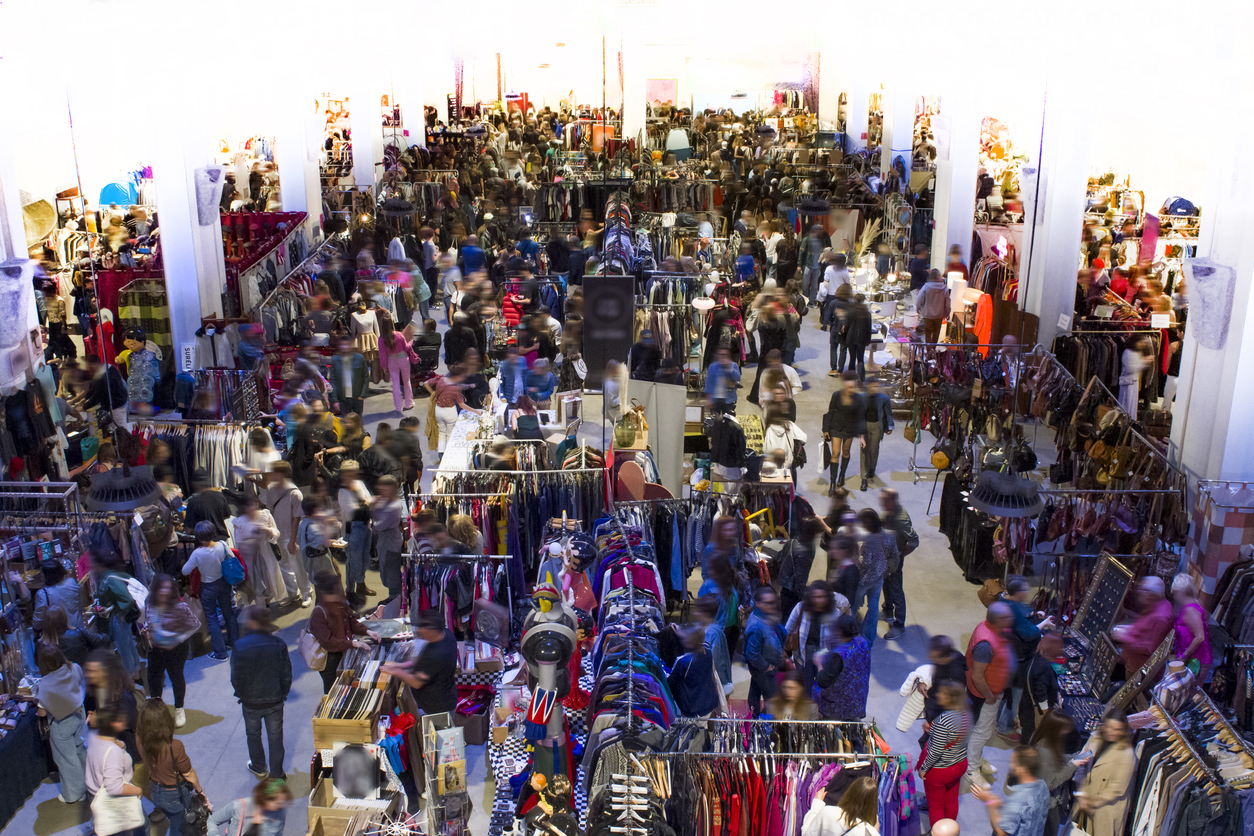
85% of surveyed Halloween costume shoppers plan to incorporate thrift shopping or DIY elements into their costumes this year, and Halloween is just the beginning of the holiday season. The holiday shopping season gives thrift stores a chance to welcome more shoppers, put more donated goods to use, and generate additional revenue for their mission. It also strains nearly every part of the store, from donation intake and processing to inventory management and checkout.
Seasonal hiring can help meet that demand, but adding people is only part of the equation. When every donated item is unique, new employees need to learn more than where merchandise goes or how to ring up a sale. They need to work within processes that support consistent pricing, efficient production, and accurate inventory tracking.
But where do you even start when thinking about bringing on new staff or volunteers this season?
Look Beyond Staffing to Understand Production Capacity
In thrift retail, available merchandise depends on more than how many donations come through the door. Staff must sort, evaluate, price, tag, and prepare each item for the sales floor or another destination.
That makes production capacity an important part of seasonal planning. More donations don’t automatically translate into more merchandise on the floor. If incoming goods outpace the team’s ability to process them, inventory can pile up in the backroom while shoppers look for fresh merchandise.
Reviewing production activity ahead of the busy season can help you identify where you may need additional support. Consider how many items are being processed, how quickly merchandise becomes floor-ready, and whether certain departments or product categories require more time than others (like Halloween costumes and Christmas decor).
Technology can clarify that picture. Brijjworks Thrift Production Manager gives teams visibility into production activity while supporting the pricing and tagging workflows that prepare donated goods for sale. That information helps leadership understand production capacity and identify where additional resources can make the biggest difference.
The goal isn’t simply to just to process more items; it’s to understand how items move through your existing workflows and where your team may need support as seasonal demand increases.
Keep Merchandise Moving From the Backroom to the Sales Floor
Getting merchandise ready to sell is one part of the process. Getting the right merchandise onto the floor at the right time is another.
Seasonal inventory presents a unique challenge for thrift stores because donations don’t arrive according to a buying calendar. Holiday decorations may arrive well before shoppers are looking for them, winter apparel may build up quickly, and other donated goods may be ready to sell as soon as they’re processed.
Visibility into what’s been processed, what’s waiting for floor space, and what’s being held for a later season helps teams make more informed decisions about inventory movement.
It also helps to consider the relationship between production and sales. If merchandise is selling quickly in a particular department, production and floor teams need a way to keep fresh goods available. If inventory is accumulating, the answer may be different.
These decisions become harder when production and sales information live in separate systems or depend on manual updates.
For a deeper look at the relationship between production workflows and inventory movement, read How to Optimize Thrift Production and Gain Visibility Into Inventory.
Make Consistency Easier as Seasonal Staff Join the Team
Experienced employees build knowledge over time. They learn pricing guidelines, recognize merchandise categories, understand tagging procedures, and know how their work affects the next step in the process.
Seasonal employees need a way to build that familiarity without adding unnecessary steps for the people training them. Consistent workflows help new team members learn established processes, while clear pricing guidelines give everyone a shared reference point as merchandise moves through production.
Technology can support that consistency, too. In a busy production room, employees may process hundreds of unique items, each requiring decisions about pricing, categorization, and tagging. Brijjworks Thrift Production Manager supports these workflows with features like its stay screen, which lets employees stay in the same pricing workflow as they process items. That means less navigating between screens and more focus on getting merchandise ready for the sales floor.
For seasonal employees, an easier-to-learn workflow can shorten the learning curve. For experienced team members, it can mean spending less time guiding people through system steps and more time supporting the work that keeps merchandise moving.
In a Brijjworks case study featuring a multi-location Goodwill organization, a simplified production workflow helped the team increase productivity while employees learned the system.
The goal isn’t to change the way your team works. It’s to give employees tools that support consistent processes and help them contribute with confidence.
Don’t Let Checkout Become the Next Pressure Point
A store may be well prepared to process merchandise and keep shelves stocked, but the customer experience still depends on what happens at the register.
Between color-tag discounts, promotional pricing, loyalty programs, and donation round-ups, cashiers have a lot to juggle while keeping lines moving and providing a positive shopping experience, especially during the busiest times of the year.
When staff have to remember complex discount rules or navigate unnecessary screens, training takes longer, and mistakes become more likely. A point-of-sale system designed for thrift can handle recurring pricing logic more consistently, giving employees fewer details to manage manually.
Brijjworks Point-of-Sale supports thrift-specific needs such as color-tag promotions, mission-driven customizable round-ups, and an intuitive interface for cashiers and new hires. Its offline capabilities also allow transactions to continue during an internet outage, with data syncing once connectivity returns.
Preparing for peak shopping periods means looking at checkout and production together. Both affect how effectively a store can serve shoppers and turn donated goods into revenue.
Prepare Your Team for the Season Ahead
Seasonal success isn’t just about hiring enough people. It’s about giving your team the processes, information, and tools to manage changing demand while continuing to serve shoppers and support your mission.
By reviewing production capacity, understanding inventory movement, maintaining consistent workflows, and preparing for checkout demand, thrift stores can head into the busiest months with a clearer picture of what their teams need.
Use Connected Information to Plan Beyond the Holiday Season
The end of the holiday rush is an opportunity to learn from it.
Which departments processed merchandise most efficiently? Where did inventory accumulate? Which categories sold quickly, and which remained on the floor? Did seasonal staffing provide enough production capacity, or were certain steps still difficult to keep up with?
Sales data alone can’t answer every question. Understanding seasonal performance often requires connecting what sold with what was produced, when inventory became available, and how merchandise moved through the store.
When production, inventory, and point-of-sale information work together, leadership can build a more complete picture of seasonal performance and use those insights to inform future staffing, production, and inventory decisions.
Brijjworks connects these parts of the donated goods lifecycle in one platform, helping thrift teams follow merchandise from donation and production through inventory and sale.
Brijjworks is built for the mission and the work that makes it possible. Learn more about the connected Brijjworks platform and how it supports the journey from donation to sale.