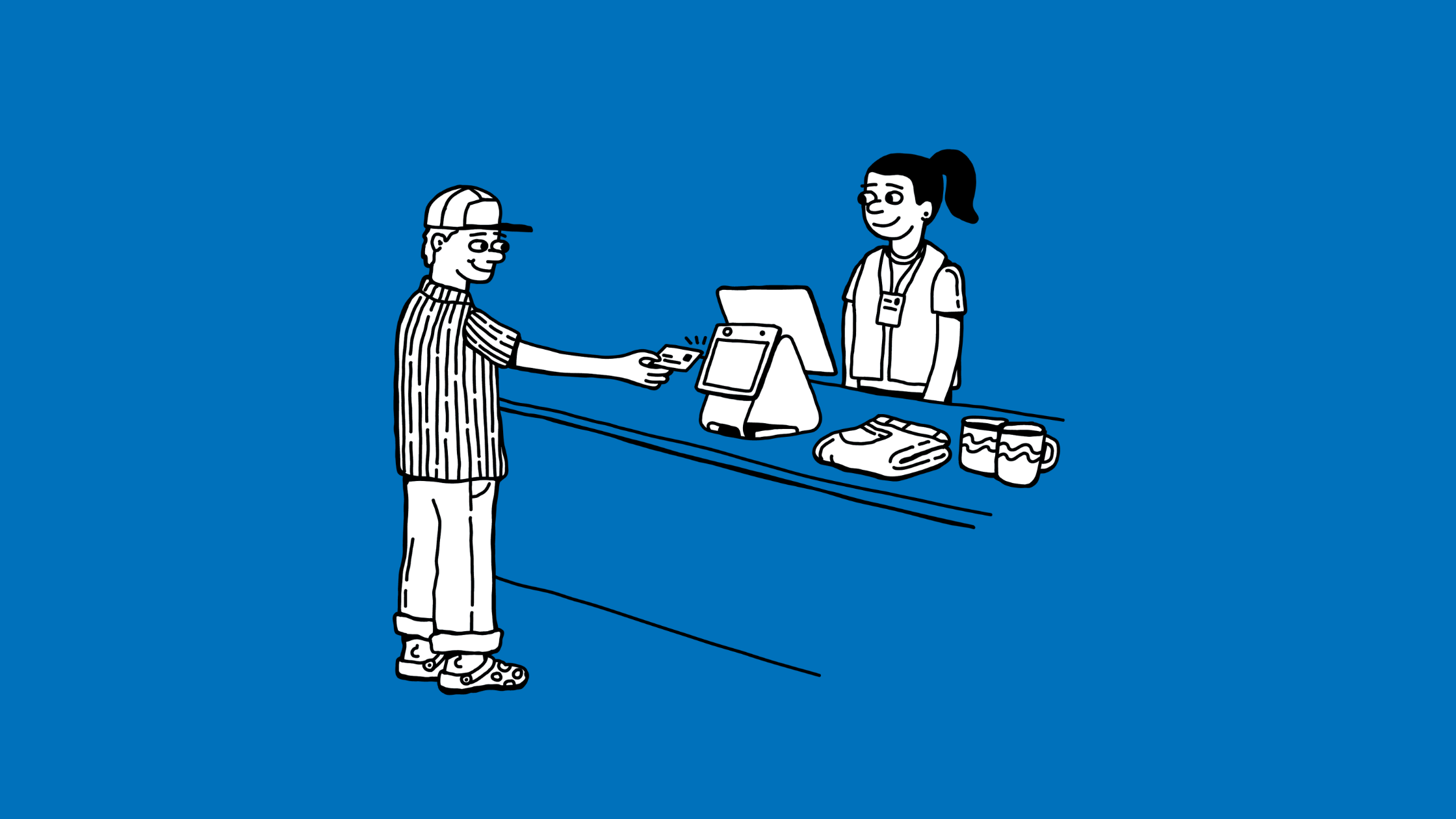
Brijjworks Point-of-Sale
Point-of-Sale Software
Built for Donated Goods Retail
Keep checkout lines moving, protect your margins, and empower your team with a POS system designed specifically for the realities of multi-location thrift retail.
Bridge the Gap Between Store Operations and Customer Experience
Traditional retail point-of-sale systems are built for traditional inventory. But in a donated goods environment, cashiers face a unique set of challenges: rapidly changing inventory, complex weekly color rotations, and the need to capture mission-critical donations at the register.
The Brijjworks Point-of-Sale (POS) solution eliminates checkout friction. Built as part of our unified commerce platform, it provides thrift retailers with the operational control, margin protection, and system reliability required to scale without slowing down the sales floor.
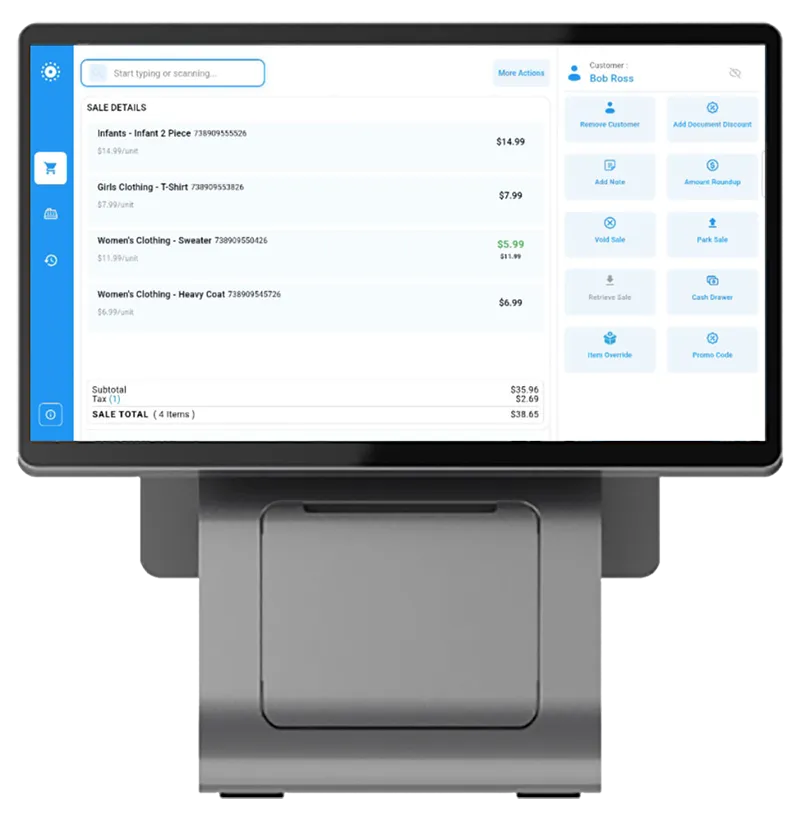
Core Point-of-Sale Capabilities Designed for Thrift
Uninterruptible Register Management
Don’t let a local internet outage halt your revenue. While many cloud-hybrid systems struggle with connectivity drops, Brijjworks POS features robust “Store and Forward” offline capabilities. Cashiers can continue ringing up customers and processing transactions seamlessly during an outage, with data automatically syncing to the central system once the connection is restored.

Mission-Driven
Loyalty & Round-Ups
Turn every transaction into an opportunity to fund your mission. Prompt customers to round their total to the nearest dollar or add a custom donation amount seamlessly at the checkout screen. Easily establish spend-based loyalty programs that reward returning shoppers, drive repeat foot traffic, and increase overall customer lifetime value.

Intelligent, Margin-Protecting Promotions
Thrift shoppers expect deals, but manual discounting often leads to stacking errors and lost revenue. Brijjworks automates your discount strategy based on percentages, dollar amounts, or weekly color tag rotations. The system automatically identifies and applies the “best deal” for the customer without allowing unauthorized discount stacking. Cashiers retain the flexibility to apply a line-item discount, a document-level discount, and a promo code to a single sale, while the system logic ensures your margins remain protected.
Zero-Touch Peripheral Integration
Managing hardware across dozens of thrift store locations is traditionally a major headache for IT departments. We’ve eliminated the need for manual, local hardware configuration. Zebra label printers and other peripherals are managed directly through ZPL code on the backend. Simply install the driver, and the Brijjworks system automatically pushes out defined settings like print speed and darkness. When adjustments are needed, IT can deploy them globally from the cloud, eliminating unnecessary site visits.
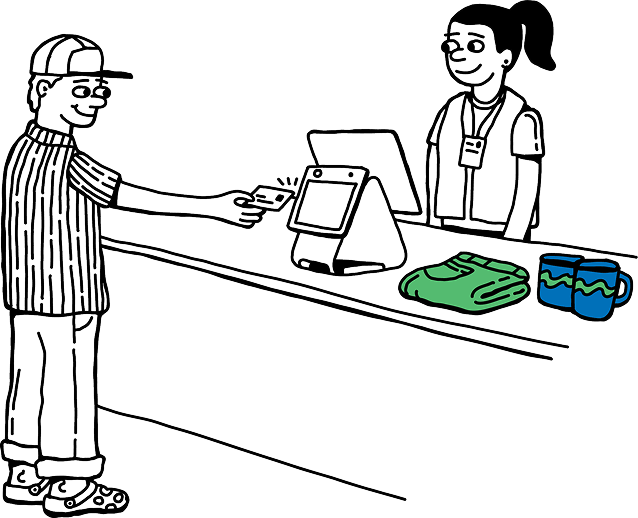
Why Growing Thrift Organizations Choose Brijjworks Point-of-Sale
-
Built for Scale: Whether you operate 3 stores or 30, centralized reporting and peripheral management make it easy to standardize operations across your entire footprint.
-
Empowers Your Staff: An intuitive, icon-driven interface reduces training time for cashiers, volunteers, and new hires, allowing them to focus on the customer rather than wrestling with the software.
-
Connects the Whole Ecosystem: As part of the wider Brijjworks platform, your POS talks directly to your donation intake module, Thrift Production Manager (TPM) inventory reporting dashboards, giving leadership complete visibility from the donation door to the sales floor.
Maximize Your Mission Impact Through Better Technology
Every dollar saved on IT overhead and every extra transaction processed during a rush hour directly funds your mission.
Discover how Brijjworks POS can modernize your checkout experience.
Frequently Asked Questions
Why can’t we just use a standard retail POS system?
Standard retail POS systems are built for traditional supply chains with standardized SKUs and predictable costs. Donated goods retail is different. Your inventory changes daily, items are one-of-a-kind, and your pricing strategies often involve complex weekly color rotations. Brijjworks POS is purpose-built for the thrift environment—meaning you don’t have to rely on clunky workarounds to process round-ups, manage color tag markdowns, or track production data.
What happens to our checkout lines if the internet goes down?
We know that in retail, downtime equals lost revenue and frustrated customers. That is why Brijjworks POS features robust “Store and Forward” offline capabilities. If a store loses internet connection, your cashiers can continue ringing up customers without interruption. Once the connection is restored, the data automatically and securely syncs to the central database.
How does Brijjworks POS handle complex thrift discounts and color tag rotations?
Manual discounting slows down lines and leads to revenue loss through unauthorized discount “stacking.” Brijjworks automates this process. You can define discounts based on percentages, dollar amounts, or specific week colors. When multiple discounts could apply, our system logic automatically determines and applies the best single deal for the customer. Cashiers can still apply a line-item discount, document-level discount, and promo code to a single sale, but the automated guardrails ensure your margins are protected.
Is the system easy for volunteers and new staff to learn?
Yes. High turnover and varied technology experience levels are common in thrift retail. We designed the Brijjworks POS interface to be highly visual and intuitive. By reducing the number of clicks required to complete a transaction and automating the complex pricing logic on the backend, cashiers and volunteers can get up to speed quickly and focus on providing a great customer experience.
How does the system manage receipt printers and barcode scanners across multiple store locations?
For multi-store operations, hardware management is traditionally a massive burden on IT. Brijjworks eliminates manual local configuration. We manage peripherals (like Zebra label printers) via backend ZPL code. This allows your IT team to define settings like print speed and darkness globally from the cloud. To set up a new register, simply install the driver, and the system handles the rest—no site visits required.
Does the POS integrate with our production and reporting tools?
Absolutely. Brijjworks POS is part of a unified ecosystem. It connects seamlessly with the Brijjworks Thrift Production Manager (TPM) and our reporting dashboards. This means leadership gets real-time visibility into the entire lifecycle of an item—from the moment it is priced in the backroom to the moment it is sold at the register.